 01
01
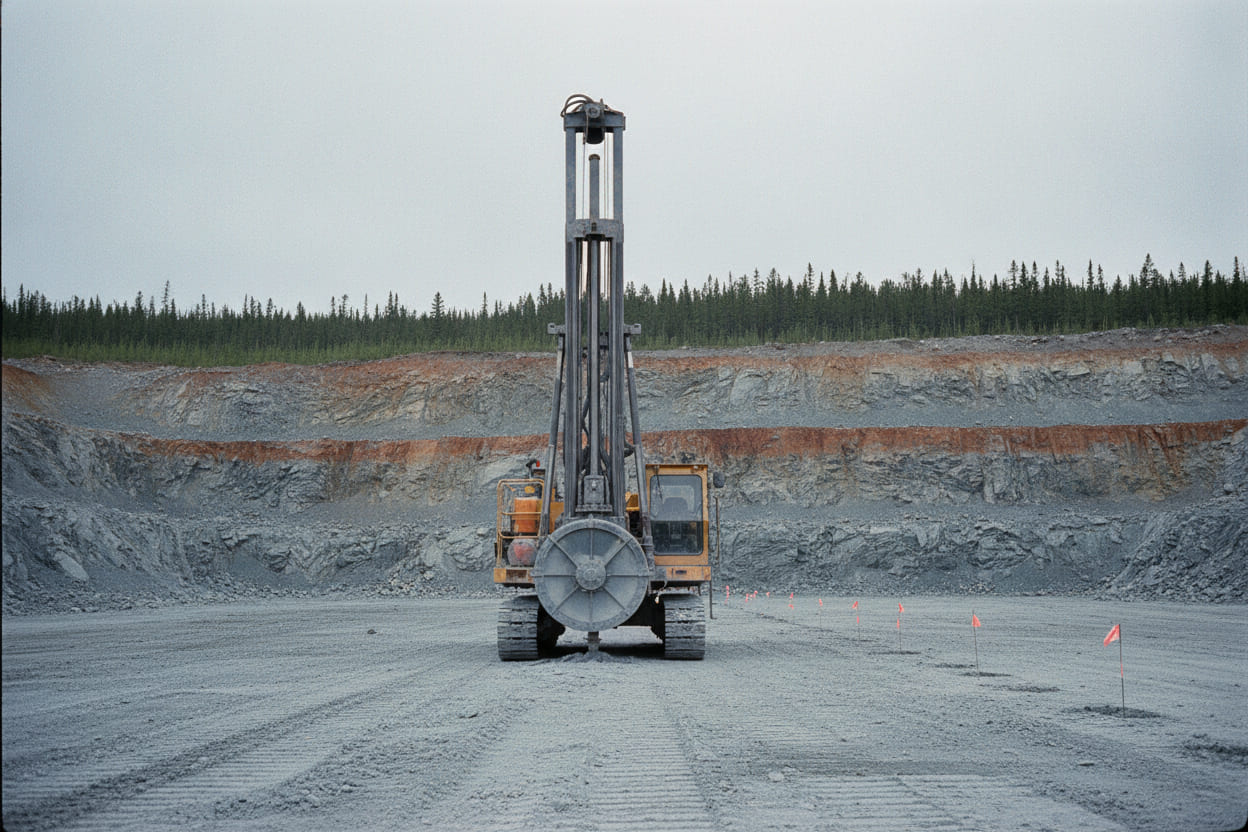
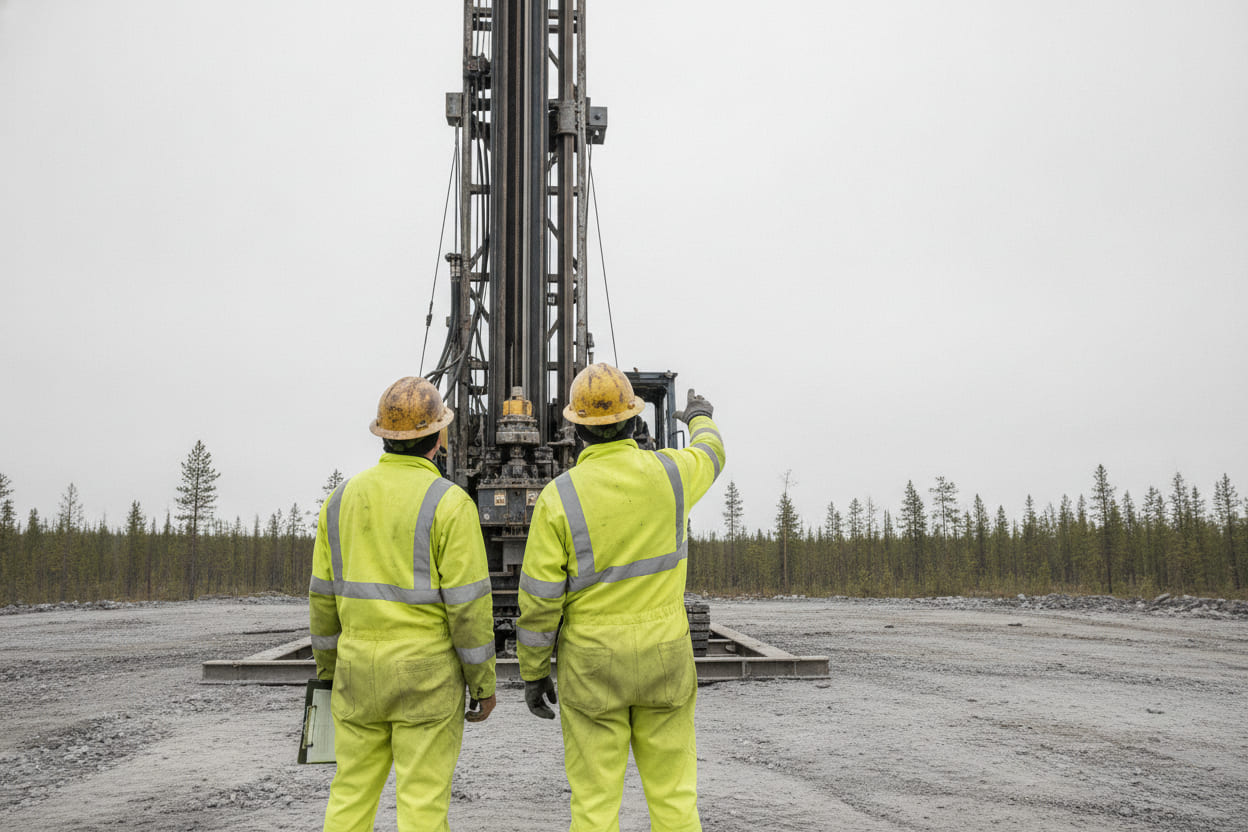
Production drilling
Down-the-hole and top-hammer rigs, 3½ to 6 inch, holes logged as they're drilled so the pattern answers to the rock and not to a spreadsheet.
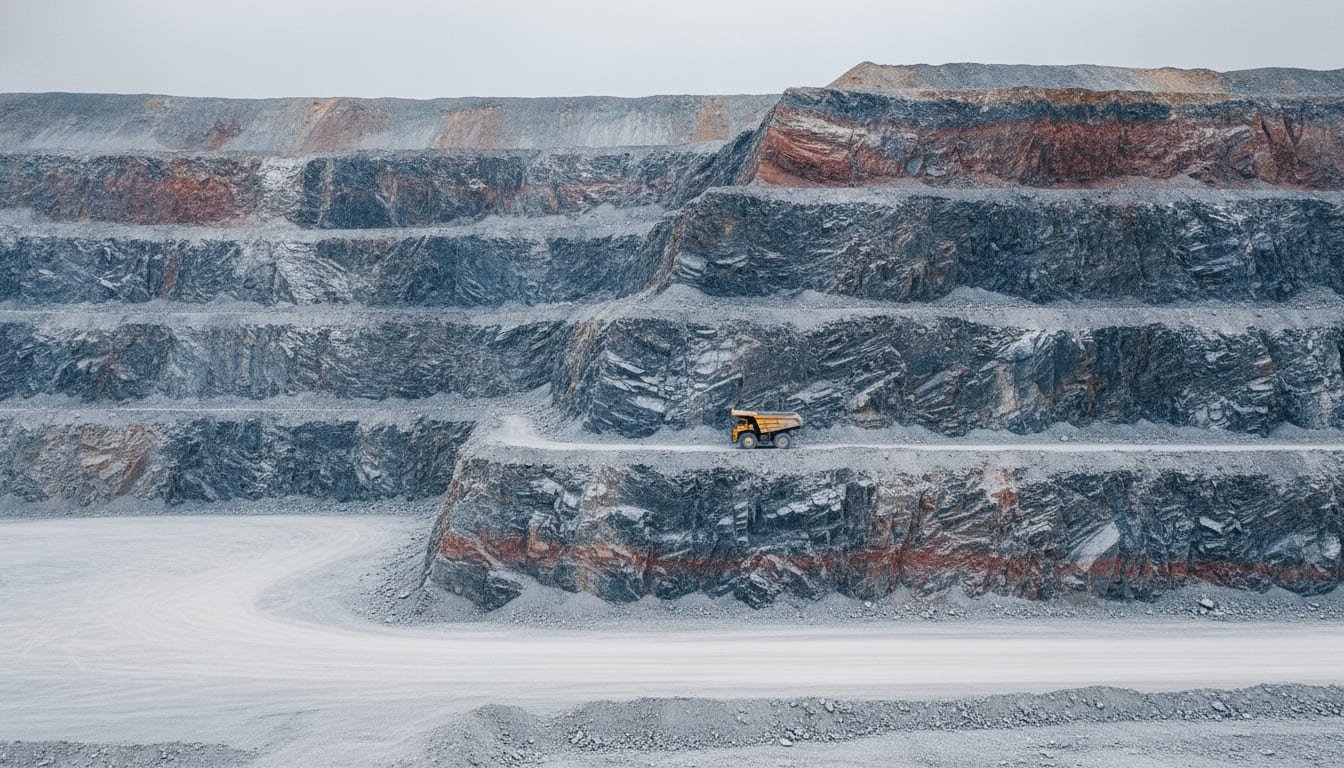
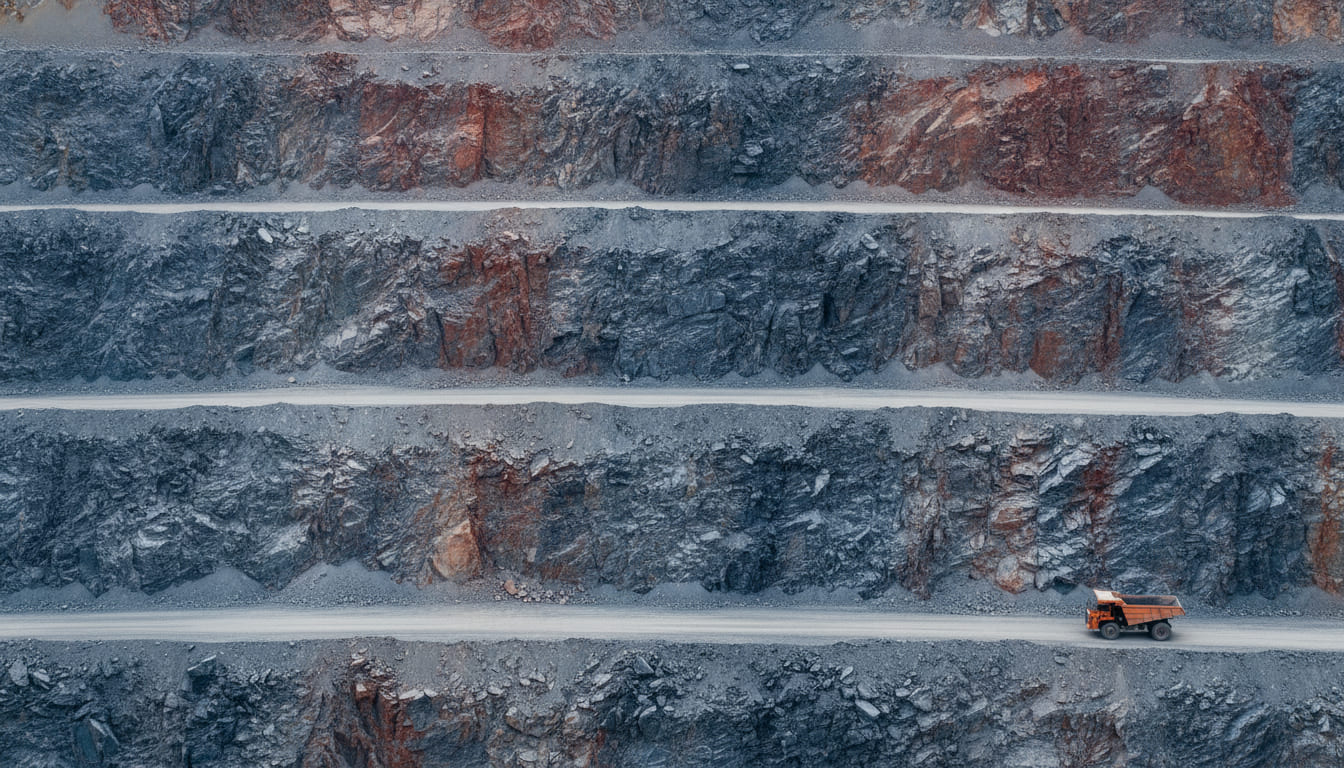
Bench 4 · face after the June shot
Iron Range · since 1974
Contract drilling, blasting and pit development across the Mesabi. Every shot on your property is designed off a hole we drilled and logged ourselves — because the cheapest blast is the one you do not have to do twice.
What we're hired for
We work as a contract crew for pit operators, aggregate yards and county road projects across St. Louis and Itasca counties. Licensed blasters, our own drills, our own magazine.
01
Down-the-hole and top-hammer rigs, 3½ to 6 inch, holes logged as they're drilled so the pattern answers to the rock and not to a spreadsheet.
 02
02
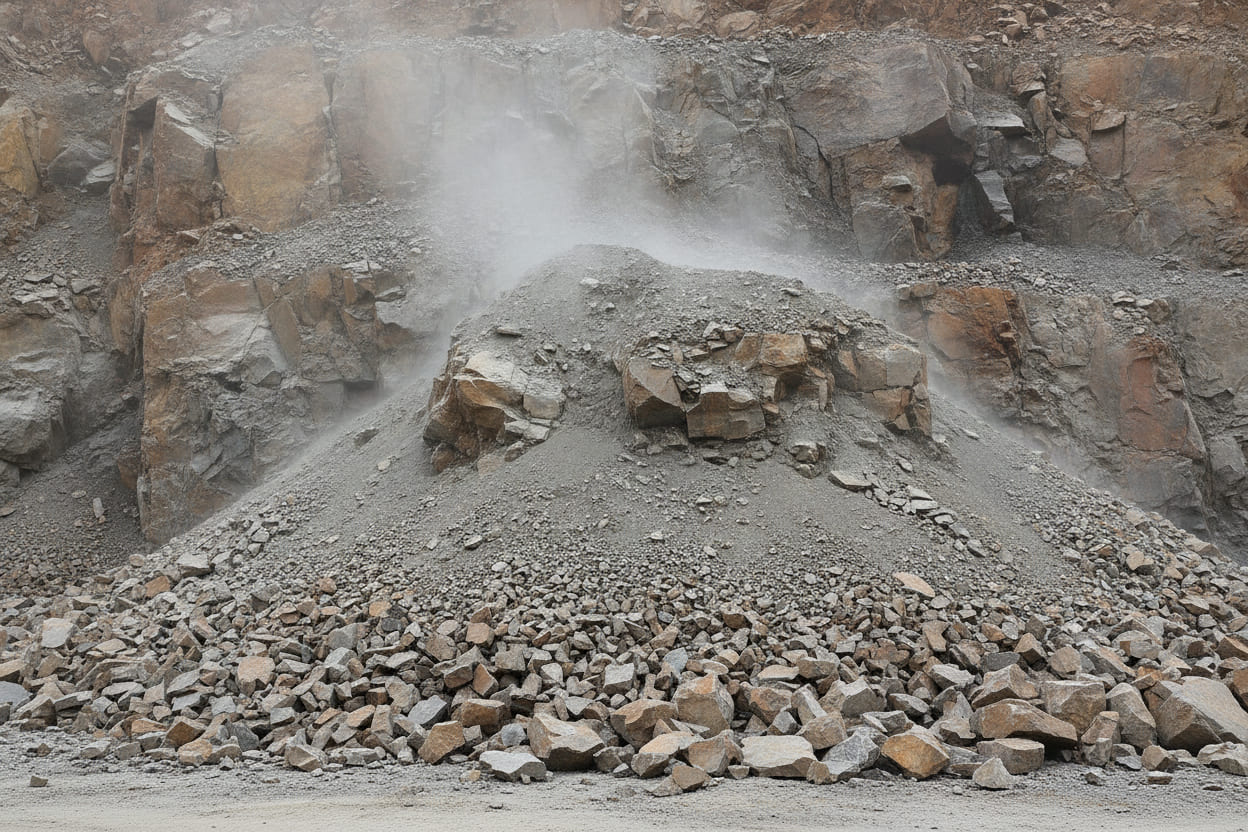
Electronic detonators, timed to keep vibration inside the limit at the nearest structure — and a seismograph record you get whether you ask for it or not.
 03
03
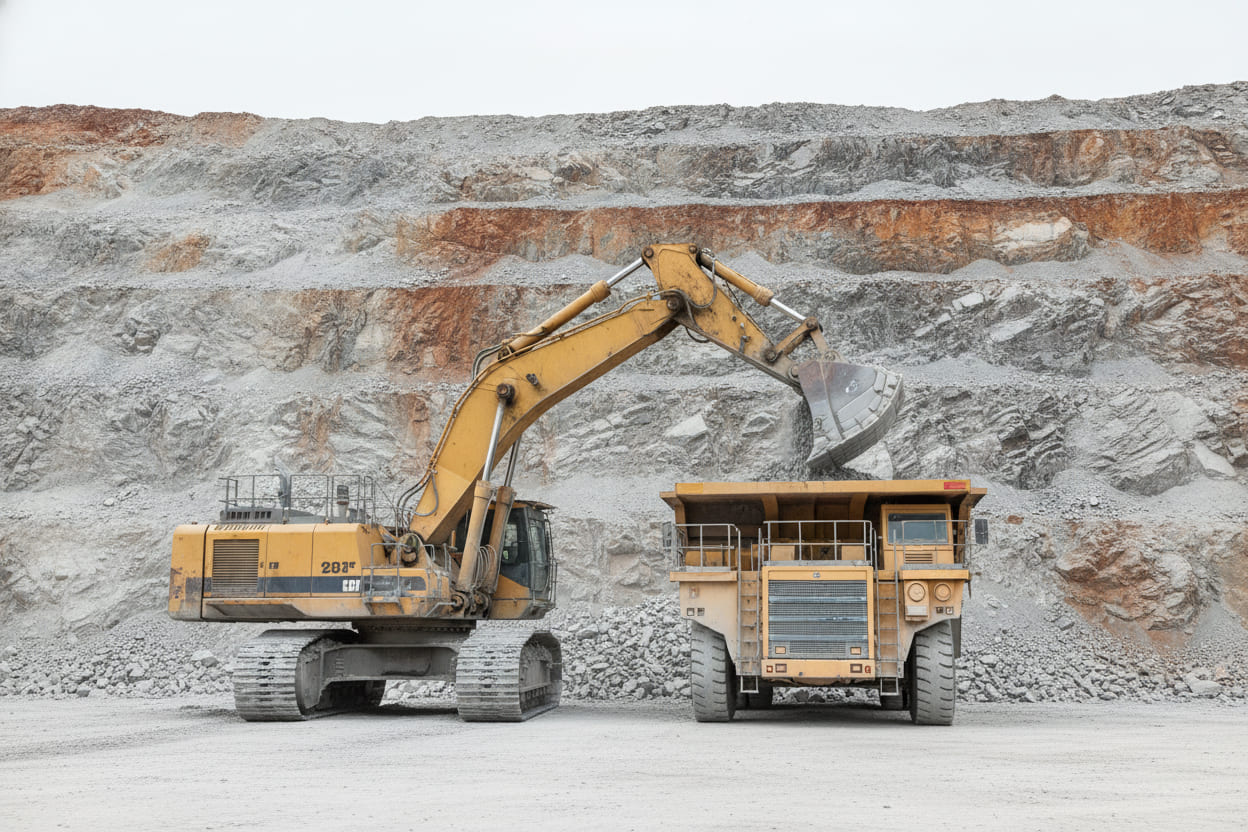
Access roads, benches cut to a surveyed plan, highwall left at an angle the inspector and the geologist both sign off on.
 04
04
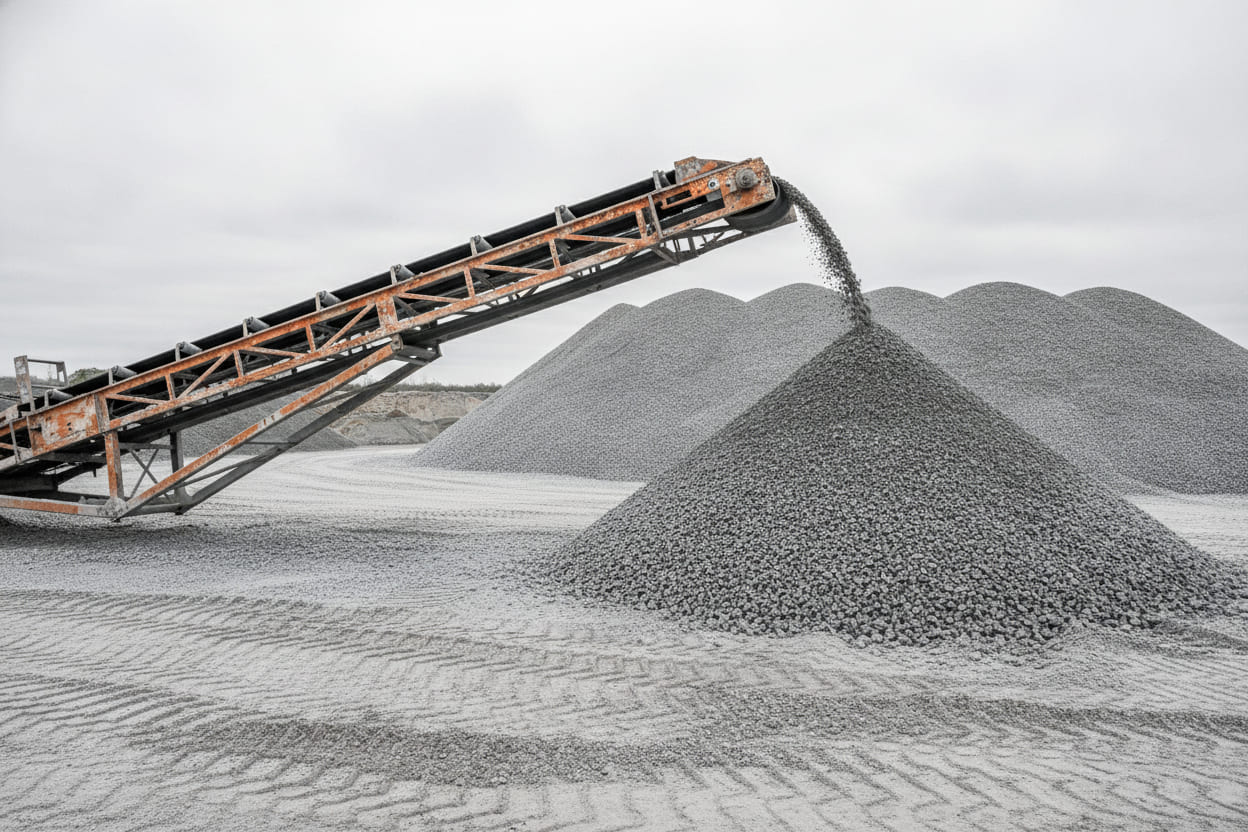
Crushed ledge rock, base course and rip-rap off our own permitted pit near Chisholm. Scaled, ticketed, delivered.
The part nobody photographs
Powder factor, hole spacing, how much of the shot ends up as fines you can't sell — all of it is set before anyone loads a hole. It's set in a wooden box on a steel bench.
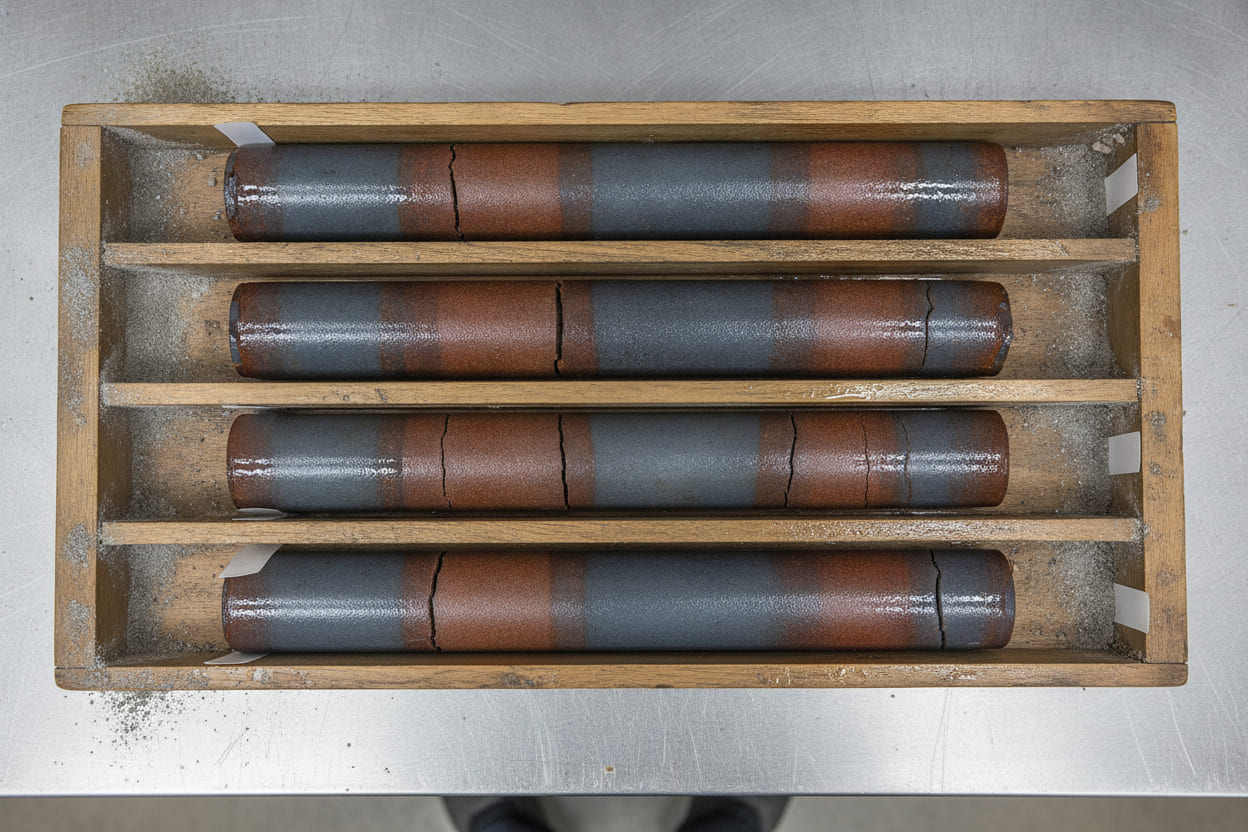
| Depth | Unit | Fe | Grade |
|---|---|---|---|
| 0–6 m | Overburden | — | |
| 6–24 m | Glacial till | — | |
| 24–41 m | Cherty hematite | 31.4% | |
| 41–58 m | Magnetite taconite | 36.8% | |
| 58–96 m | Magnetite taconite | 38.1% |
How a job runs
We come out, look at what you've got and tell you if it's worth opening. Sometimes the answer is that the ledge is too thin and you're better off buying rock.
Two to six holes depending on the block. Core boxed, photographed and left with you — it's your ground, it's your record.
Pattern, timing and powder factor written down, with the predicted vibration at the nearest structure and the margin we're keeping.
Neighbours notified, road closures arranged with the county, magazine drawn down the morning of. Nothing sits loaded overnight.
Seismograph on the nearest foundation, high-speed record of the face. Both go in the file with your name on it.
Highwall scaled to a safe face before anyone works under it. You get the survey, the records and the ground.
The end of the contract
Minnesota makes you bond it. We'd price it in anyway: the crew that opens a pit badly is the crew that gets to close it badly, and around here everybody knows whose pit is whose.
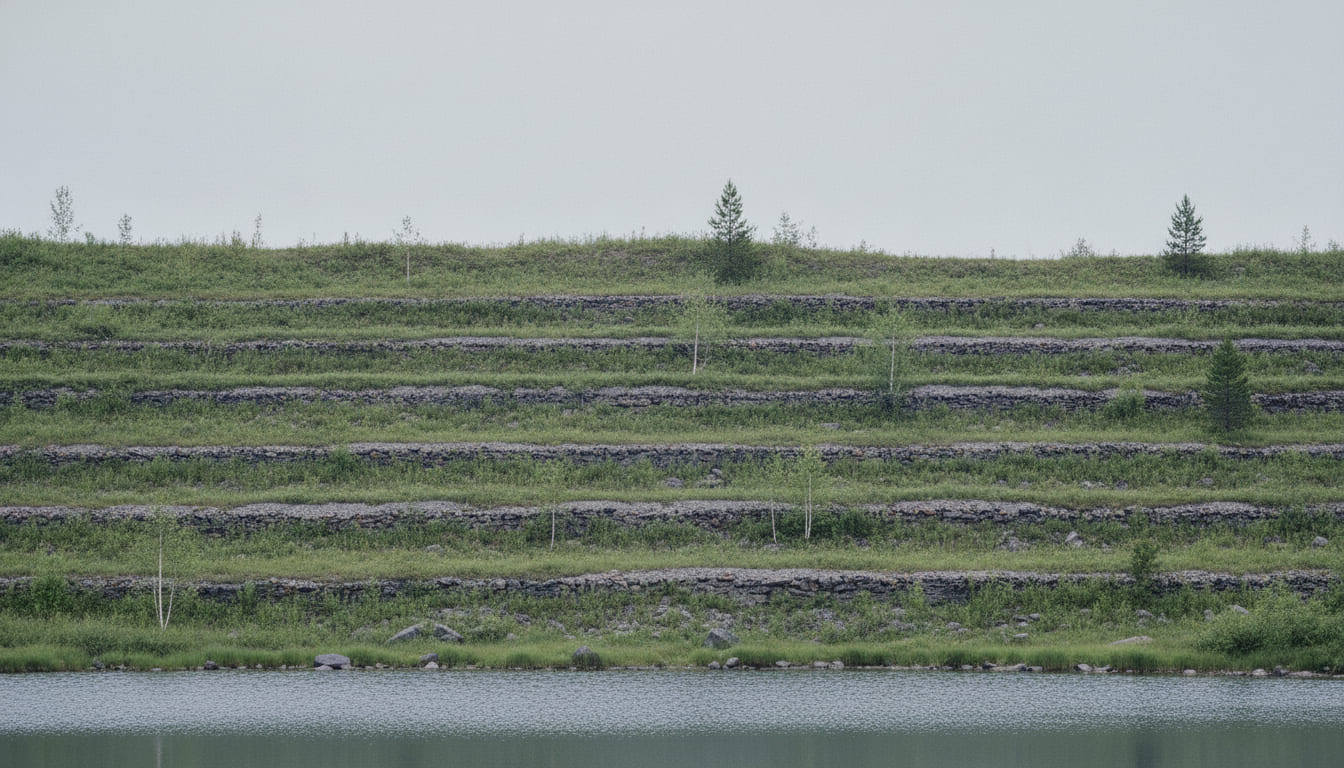
Same benches, sixteen years on. The steps stay — regraded to a stable angle, seeded with a native mix, and the pond left as the pond. It's the only picture on this page with anything green in it, and that's the point.
The outfit
Started by Einar Vaarala in 1974 with one wagon drill and a pickup. Same family, same county, and a crew that mostly grew up within twenty miles of the pit.
Asked often
Closer than most people expect, but it depends on the rock and the structure, not on a number in a book. We put a seismograph on the nearest foundation and design the shot to stay under the limit with margin. If we can't, we tell you before you spend anything.
We hold the blasting licence and the magazine permit. The mineland permit and the reclamation bond are the property owner's, but we prepare the plan and the maps that go with the application, and we've never had one come back.
You pay for the drilling and you keep the core and the log. If the ground doesn't justify a pit we'll say so, and we'd rather tell you at four holes than after you've bought a crusher.
Yes. Crushed ledge rock, base course and rip-rap off our permitted pit near Chisholm, scaled and ticketed. Delivery inside about sixty miles.
Floor of the pit
Send the parcel number or just the township and range. We'll pull what's on record, drive out, and tell you what we think — including that it isn't worth it.